God, I hated that scale.
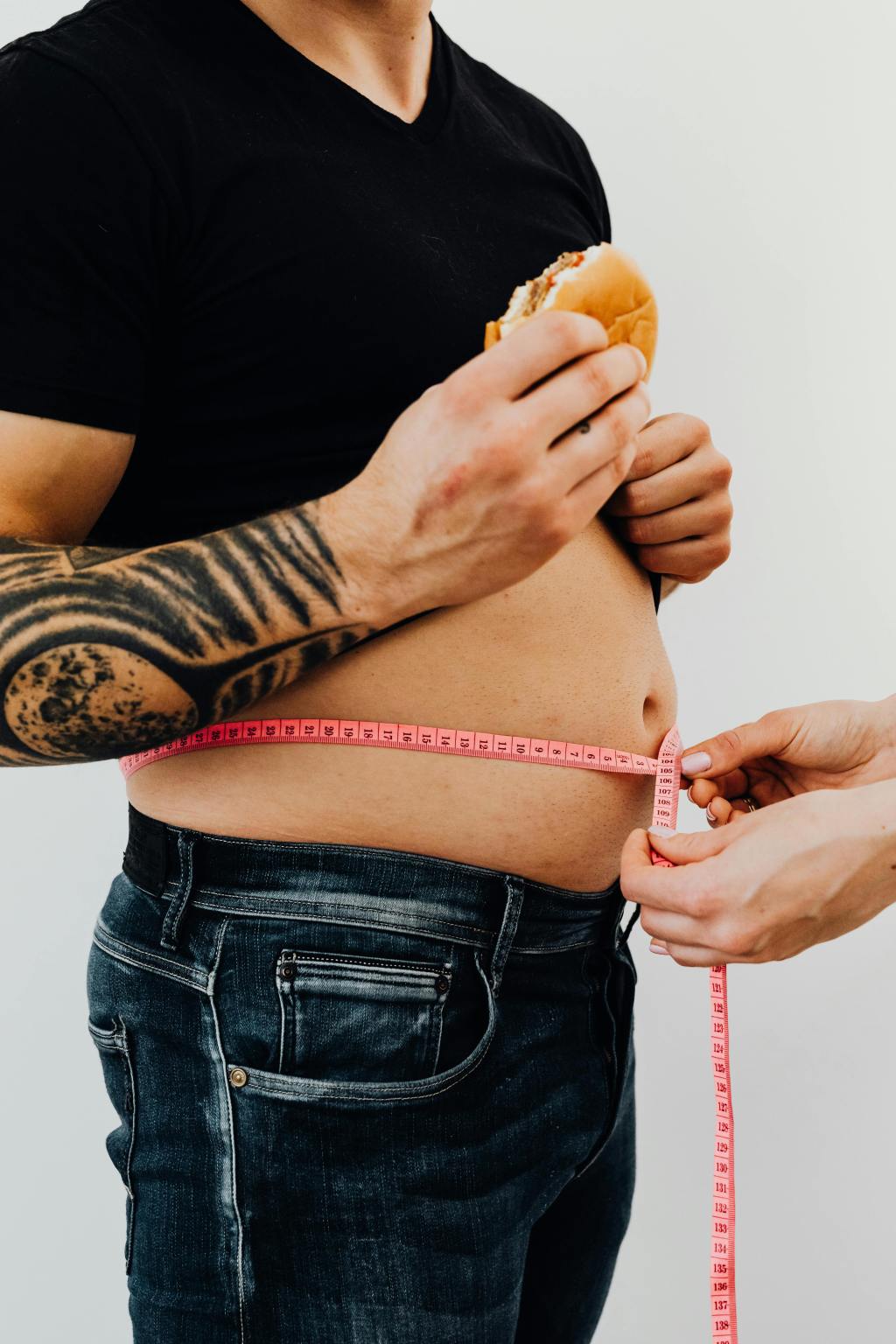
Every Monday morning, same ritual. Step on, hold breath, feel heart sink. October 2021 through March 2022 was a blur of frustration, confused doctors’ visits, and those damn jeans I couldn’t button anymore. Not even close.
“Have you tried eating less and moving more?” my first doctor asked, barely looking up from his chart. I wanted to throw something at him. Of COURSE I had. I’d been maintaining the same weight for years with my regular tennis matches and decent home cooking. Then suddenly — boom — 28 pounds in six months, mostly around my middle.
I’m writing this sitting in my garden on a surprisingly warm April afternoon, two years after that nightmare began. The birds are chirping, my dog Ben is snoring in a sunbeam, and those jeans? They’re a bit loose now. Not because I found some miracle pill, but because I finally understood what my body was actually dealing with.
“Your Body Thinks There’s a Famine” – Getting Diagnosed with PCOS
After firing that first doctor, I found Dr. Miller. She actually listened, ran comprehensive tests, and didn’t make me feel like I was crazy or lazy. Her office had plants everywhere and didn’t smell like disinfectant. Small things matter when you’re desperate.
“Your hormonal panel suggests PCOS,” she said, showing me lab results that might as well have been hieroglyphics. “Polycystic Ovary Syndrome affects your insulin processing. Basically, your body’s storing more fat than it should because it thinks there’s a famine coming.”
She explained how PCOS creates a vicious cycle: insulin resistance leads to weight gain, which worsens insulin resistance, which leads to more weight gain… all while testosterone levels creep up, creating that lovely apple-shaped fat distribution around my middle.
“So that’s why I suddenly have hormonal belly fat?” I asked.
“Exactly. And why traditional dieting often fails for women with PCOS.”
I left with a treatment plan and, finally, an explanation that made sense. But I also left with questions about what supplements might help this specific type of weight gain. Dr. Miller had briefly mentioned a few options but warned that most products marketed for weight loss were, in her words, “expensive disappointments.”
Challenge accepted. If there were supplements that could actually help women with hormonal weight issues, I was determined to find them.
REVOLUTIONARY WEIGHT LOSS FIND!🔥 Unleash your body’s natural fat-burning potential with a secret celebrities have hidden for years! 💪

The Supplement Graveyard in My Kitchen Cabinet
Let me save you some money right now. Here’s what DIDN’T work:
- That “detox” tea that influencers promote (gave me cramps and nothing else)
- Some berry extract that promised to “melt belly fat” (melted my wallet)
- A “metabolism booster” that was basically just caffeine (hello, anxiety attacks)
- Sketchy pills my gym buddy recommended that made my heart race
My bathroom cabinet became a graveyard of half-empty bottles, each representing about $40 of hope that transformed into disappointment.
“You might be approaching this wrong,” my sister Jen said over wine one night. She’s a research scientist – the analytical one in the family. “You’re buying things marketed for weight loss, but you should be looking for things that specifically address hormone imbalances and insulin resistance.”
Sometimes the smart people in your life say obvious things that somehow never occurred to you.
Best Supplements for PCOS Weight Loss (Finally Some Progress)
With Jen’s advice, I changed strategies. I started researching supplements specifically studied for PCOS and insulin resistance, not just general “weight loss” products. I also started tracking everything meticulously in a journal Lisa (my best friend) gave me. God bless organized friends.
Inositol: The Game-Changer
After three weeks of research and consulting with Dr. Miller, I started taking inositol powder. Not the sexiest name, but this vitamin-like compound has actual clinical studies backing its effectiveness for PCOS.
Week 1: Nothing. Tasted slightly sweet in my morning coffee. Week 2: Still nothing, but stayed hopeful. Week 3: Wait…my cravings for sweets were noticeably less insane. Week 6: My period came. ON TIME. This hadn’t happened in months. Month 3: Down 4 pounds without changing anything else.
It wasn’t dramatic weight loss, but it was the first thing that had worked AT ALL. Most importantly, I felt less out of control around food. My sister was onto something.
“Inositol helps with insulin signaling,” Dr. Miller explained during my follow-up. “For women with PCOS, it’s one of the best-studied supplements for addressing the root hormonal issues.”
The Menopause Connection (Or: How I Became the Supplement Guru Among My Friends)
While I was figuring out my PCOS situation, my friend Rachel was going through early perimenopause at 42. Our symptoms were different, but we shared that lovely hormonal belly fat situation.
“Everything I try just stops working after two weeks,” she complained during our Saturday hike. “And these hot flashes are killing my sleep, which makes me stress eat.”
I shared what I’d learned about hormonal weight issues, and together we researched weight loss supplements for menopause that addressed her specific challenges.
For Rachel, the winning combination was:
- Magnesium glycinate before bed (improved her sleep dramatically)
- A specific adaptogen blend with ashwagandha (helped stress response)
- Calcium D-glucarate (for estrogen metabolism)
“I’m still not back in my skinny jeans,” she texted me about two months later, “but I’ve lost 7 pounds, and I’m not a complete monster to my family anymore without sleep. Progress!”
Mushrooms: Not Just for Hipsters
My deep dive into hormone-supporting supplements eventually led me down the fungi rabbit hole. Apparently, certain mushrooms have adaptogenic properties that help your body respond better to stress. Since cortisol (the stress hormone) contributes to belly fat storage, this connection made scientific sense.
I was skeptical, but after reading actual research studies, I decided to try a combination of reishi and cordyceps mushrooms. I found a local company at our farmer’s market that made small-batch tinctures without all the marketing hype of the big brands.
Jake, the bearded mushroom guy at the market, became my unlikely guide to these best mushroom supplements for weight loss. Though he winced when I used that phrase.
“They’re not weight loss supplements,” he corrected me. “They’re stress adaptation tools that might help your hormones function better, which could support a healthy metabolism.”
Fair enough, Jake. Whatever you want to call them.
Three weeks in, during a particularly stressful work project, I noticed something: I wasn’t stress-eating my way through it like usual. My energy stayed more consistent, and I wasn’t having the 3pm crash that typically sent me hunting for sugar.
The changes were subtle but significant. And I appreciated that Jake never overpromised results or used before-and-after photos of fitness models who clearly never had hormonal issues to begin with.
The Hysterectomy Support Group (Finding Community)
Through a Facebook group, I connected with women managing weight issues after reproductive surgeries. Mary, who had gained 35 pounds after her hysterectomy, was researching supplements for weight loss after hysterectomy.
We became phone friends, comparing notes and research. Her experience highlighted how different our hormonal journeys were, despite similar symptoms. While inositol worked wonders for my PCOS, it did little for her post-surgical hormonal changes.
“The key for me was supporting my adrenal function,” she shared. “Since my ovaries were removed, my adrenals had to pick up the slack for hormone production.”
For Mary, a combination of lipotropic supplements (compounds that help with fat metabolism) and gentle exercise finally helped her break through her plateau.
We celebrated her 15-pound weight loss with virtual coffee dates, sharing the ups and downs of our hormonal weight journeys.

Beyond Pills: The Unexpected Solutions
Some of the most effective “supplements” weren’t pills at all. After working with a dietitian (Sarah, who specialized in hormonal disorders), I discovered several approaches that helped more than some expensive formulas:
Apple Cider Vinegar Before Meals
Two tablespoons in water 15 minutes before eating significantly improved my post-meal glucose levels, according to my home monitor. Research suggests this may support natural GLP-1 pathways—the same system targeted by prescription weight loss medications. Not a replacement for GLP-1 supplements for women with severe insulin issues, but helpful for my moderate case.
Protein Timing Strategy
This wasn’t a supplement but transformed how supplements worked for me. Taking my berberine (an herb that helps with glucose metabolism) with a protein-rich breakfast made it far more effective than taking it with my typical toast.
“Protein triggers different metabolic pathways,” Sarah explained. “For women with PCOS, protein timing can be as important as what supplements you take.”
The Hashimoto’s Connection
During a support group meeting, I met Elaine, who struggled with both Hashimoto’s thyroiditis and weight issues. Her research into weight loss supplements for Hashimoto’s showed me how unique each person’s needs are.
While my supplement routine focused on insulin sensitivity, Elaine needed to address immune function and inflammation first. Her thyroid medication needed to be carefully managed alongside any supplements.
“What helps me might hurt you,” became our mantra in the group. “And what helped me last year might not help me next year.”
The “Miracle” That Wasn’t (But Still Helped)
About a year into my journey, the fitness influencer world exploded with a “revolutionary” new belly fat supplement. My inbox filled with friends sending me links: “Have you tried this???”
The before-and-after photos were impressive. The testimonials were glowing. The price was ridiculous ($89 for a month supply).
Instead of immediately ordering, I searched the ingredients: Berberine, alpha-lipoic acid, chromium, and cinnamon extract. Basically, it combined several insulin-sensitizing compounds I’d already researched individually.
I decided to try a simplified version, finding a quality berberine supplement and taking it alongside alpha-lipoic acid. The total cost: $34 for a month’s supply of both.
The result? Not miraculous, but helpful. My fasting glucose levels improved. My energy became more stable. And yes, gradually, my hormonal belly fat started to respond.
These belly buster supplements (as the marketing named them) weren’t magic—just well-studied compounds for insulin resistance packaged with clever marketing. The lesson: always check the ingredient list before paying premium prices for fancy packaging.
The Caffeine Trap
Many weight loss supplements rely heavily on stimulants—caffeine being the most common. As someone who already mainlined coffee, adding more stimulants made me jittery, anxious, and ironically, led to stress eating when I crashed.
I started specifically looking for caffeine free diet pills and metabolism support. This search led me to more sustainable options like:
- L-carnitine (which helps transport fatty acids into cells for energy)
- Evening primrose oil (which supports hormone balance)
- Chromium (which helps insulin function properly)
“I can actually sleep again,” I wrote in my journal after a month on this gentler regimen.
Two Years Later: What Actually Worked
So after two years, countless supplements, and more money than I care to calculate, what actually helped with my hormonal weight issues?
The effective supplements for my specific situation were:
Morning:
- Inositol powder (4g daily, mixed in coffee)
- Berberine (500mg with breakfast)
- Vitamin D3 with K2 (I was severely deficient)
Evening:
- Magnesium glycinate (helps with sleep and insulin function)
- Adaptogenic mushroom blend (helps stress response)
- Omega-3s (supports hormone production and reduces inflammation)
These weren’t marketed as “fat burners” or miracle solutions. They were simply nutrients that addressed the underlying hormonal imbalances making weight management so difficult.
Combined with strength training 3 times weekly, sufficient protein intake, and improving my sleep, these supplements supported my loss of 31 pounds over two years.
Not rapid. Not magical. But sustainable and without the rebound effect I’d experienced with every diet attempt pre-diagnosis.
Final Thoughts from My Garden Bench
As I finish writing this on my garden bench, Ben still snoring in his sunbeam, I’m reflecting on how much unnecessary suffering comes from treating hormonal weight issues as simple calorie problems.
For women dealing with PCOS, menopause, thyroid disorders, or post-surgical hormonal changes, the right supplements can be genuinely helpful tools—not as miracle solutions, but as targeted support for bodies that need a little extra help functioning optimally.
The key lessons from my journey:
- Get proper testing to understand your specific hormonal situation
- Be skeptical of anything promising rapid results
- Research ingredients, not marketing claims
- Address stress and sleep alongside supplements
- Find community with others sharing your specific condition
- Track your results methodically, not just weight
- Be patient and persistent
Most importantly, be kind to yourself through the process. Hormonal weight issues aren’t character flaws or failures of willpower—they’re complex biological challenges that deserve thoughtful, personalized approaches.
And now, I’m going to put this laptop aside and take Ben for a walk. The supplements will be there when I get back, but this sunshine won’t be.
WANT TO DISSOLVE STUBBORN BELLY FAT QUICKLY? 🔥Here’s your ultimate trick! Stir this tasteless powder into your morning coffee and see the amazing results! 💪







 Fat-Burning Fitness Tips for Sustainable Results
Leave a comment