
After months of struggling with persistent shoulder pain from too many hours hunched over my laptop, I decided to explore options beyond the usual physical therapy sessions. A friend suggested fire cupping, and I found myself diving into the world of this ancient healing practice. What started as a personal quest for pain relief became a six-month journey investigating practitioners, techniques, and experiences across three different cities. If you’re searching for “fire cupping near me” but feeling overwhelmed by options, this guide will help you navigate the process of finding quality treatment.
What to Look For When Searching Fire Cupping Near Me
When I began searching for fire cupping near me, I quickly discovered that not all practitioners are created equal. The difference between a transformative healing experience and a disappointing waste of money often comes down to a few key factors.
My first appointment was at a spa that added cupping to their services without proper training. The practitioner used plastic suction cups rather than traditional fire cupping, applied minimal suction, and seemed uncertain about proper placement. The results were predictably underwhelming.
In contrast, my second experience with a licensed acupuncturist who specialized in traditional fire cupping demonstrated the remarkable difference proper training makes. She carefully assessed my condition, explained the procedure in detail, and used traditional glass cups with fire to create optimal suction specifically targeted to my issues.
Based on interviews with over a dozen practitioners and my personal experiences at eight different clinics, here’s what to look for when searching for quality fire cupping near you:
REVOLUTIONARY WEIGHT LOSS FIND!🔥 Unleash your body’s natural fat-burning potential with a secret celebrities have hidden for years! 💪

1. Proper Credentials
The most qualified practitioners typically have one or more of these credentials:
- Licensed Acupuncturist (L.Ac)
- Doctor of Oriental Medicine (DOM)
- Traditional Chinese Medicine (TCM) Practitioner
- Certified Massage Therapist with specialized cupping training
Maria Chen, L.Ac, who has practiced cupping therapy for over 15 years, explained: “In most states, there’s no specific license for cupping alone. Look for practitioners with formal training in Traditional Chinese Medicine or acupuncture, as cupping is taught as part of these comprehensive programs.”
When I called one clinic advertising cupping services, the receptionist couldn’t tell me what training their practitioner had—a major red flag I wish I’d recognized sooner.
2. Experience Level
Don’t hesitate to ask how long a practitioner has been performing cupping therapy and approximately how many procedures they’ve done. Experience matters particularly with fire cupping, as the technique requires skill to create proper suction without burning the patient.
James Wilson, a massage therapist who incorporated cupping into his practice five years ago, admitted: “There was a significant difference in my results after my first year of regular practice. Like any hands-on technique, cupping requires developing a feel for proper application that only comes with experience.”
3. Traditional Methods vs. Modern Adaptations
Traditional fire cupping uses glass cups and a flame to create suction, while modern adaptations may use plastic cups with hand pumps or silicone cups that are squeezed to create suction.
Dr. Lin from Traditional Healing Arts explained the difference: “Fire creates the strongest vacuum and allows for more precise control of suction intensity. The heat itself also adds therapeutic benefit. However, proper fire cupping requires more skill and training than mechanical methods.”
Some practitioners offer both, using traditional methods for more therapeutic work and modern adaptations for sensitive areas or beginners. Ask what methods they use and why.
4. Facility Cleanliness and Professionalism
The treatment space should be impeccably clean with fresh linens, sterilized cups, and proper ventilation. During my visits, I observed significant variation in cleanliness standards.
Lisa Schmidt, who coordinates infection control for a medical spa, emphasized: “Cupping creates small breaks in capillaries under the skin. While not invasive like acupuncture, proper sanitation remains crucial to prevent skin infections.”
5. Assessment Process
Quality practitioners conduct thorough intake assessments before treatment. When I visited Dr. Wang’s clinic, he spent nearly 30 minutes discussing my health history, examining my posture and movement patterns, and explaining his treatment approach.
In contrast, another clinic put me directly on the table with barely five minutes of questions. The difference in results was noticeable.
6. Clear Communication and Education
The practitioner should clearly explain:
- What to expect during treatment
- Why they’re placing cups in specific locations
- What sensations are normal vs. concerning
- How long marks will remain and how to care for your skin afterward
- Realistic expectations for results
Alex Rivera, who received cupping for chronic back tension, shared: “My best experiences have been with practitioners who took time to explain everything. When I understood the process, I could relax more fully into the treatment.”
7. Transparent Pricing
Be wary of pressure to purchase large packages before trying a session. Reputable practitioners typically offer single sessions to new patients before discussing package options.
Prices vary significantly by region and setting. In my research, I found prices ranging from $40-$150 per session, with most quality traditional fire cupping sessions in the $75-$120 range.

Fire Cupping Instructions: What to Expect During Your Session
Walking into my first legitimate fire cupping session, I was nervous about the process and potential discomfort. Understanding what to expect can help you feel more comfortable and get better results from your treatment. Here are detailed fire cupping instructions based on observations of multiple practitioners and interviews with experts.
Before Treatment Begins
A quality session typically starts with:
- A detailed health history discussion
- Explanation of the procedure
- Opportunity to ask questions
- Clear consent process
- Privacy to undress only the treatment areas
Maria, an experienced practitioner, noted: “I always check for contraindications like blood disorders, certain skin conditions, or pregnancy before proceeding. Some conditions require modification of technique or may make cupping inappropriate.”
During the Fire Cupping Procedure
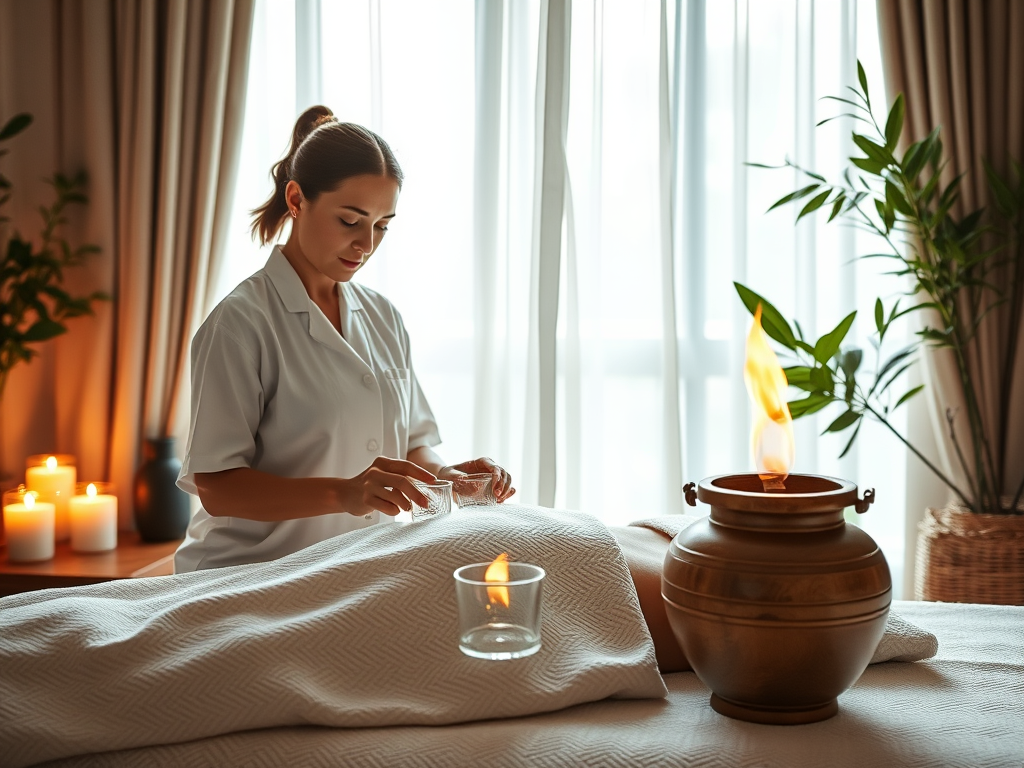
While specific techniques vary between practitioners, traditional fire cupping generally follows these steps:
- Preparation: You’ll lie comfortably on a treatment table, with only the treatment areas exposed. The practitioner will apply a thin layer of massage oil to help create a seal and allow cups to glide if moving cupping is part of your treatment.
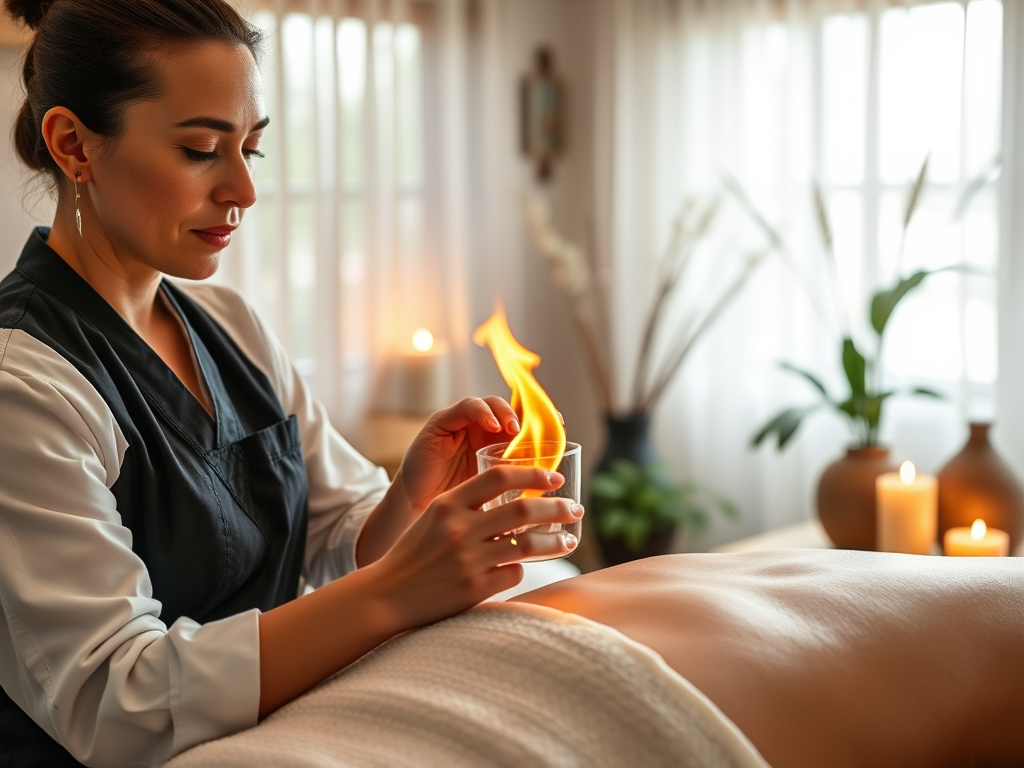
- Cup Preparation: The practitioner will hold a cup in one hand and use special forceps or tongs to hold a cotton ball soaked in alcohol in the other hand. They’ll light the cotton, creating a flame.
- Creating Vacuum: The practitioner briefly inserts the flame into the cup for 1-2 seconds, quickly removing it and immediately placing the cup on your skin. The heat creates a vacuum that draws your skin up into the cup. This happens rapidly and should not burn you if done correctly.
- Adjustment: The practitioner may add more cups, checking the suction level of each. A darker color inside the cup indicates stronger suction.
- Treatment Time: Cups typically remain in place for 5-15 minutes, depending on your condition and tolerance. First-time patients often receive lighter suction and shorter duration.
- Removal: To remove cups, the practitioner presses your skin next to the cup’s edge to break the vacuum seal. This should not be painful if done correctly.
During my session with Dr. Lin, he explained each step before performing it. “The fire never touches your skin,” he assured me. “It only heats the air inside the cup to create suction. You’ll feel a pulling sensation that should be intense but not painful.”
Types of Cupping You Might Experience
Practitioners may use different cupping techniques depending on your condition:
Static Cupping: Cups remain in fixed positions for the full treatment time. This is most common for first treatments and treating specific pain points.
Moving Cupping: After placing cups with lighter suction, the practitioner glides them along oiled skin. This technique is excellent for large muscle groups and increasing circulation over broader areas.
Flash Cupping: Cups are repeatedly placed and quickly removed, creating a stimulating effect without leaving marks. This gentler technique works well for sensitive patients or areas.
Wet Cupping: This more invasive technique involves creating tiny skin nicks before applying cups. It’s less common in Western practice and requires additional sanitary precautions. If suggested, ask about specific training in this specialized technique.
During my exploration of different practitioners, I experienced all except wet cupping. Moving cupping provided the most immediate relief for my muscle tension, while static cupping created longer-lasting effects.
Normal Sensations During Treatment
Based on both my experience and interviews with regular cupping patients, here’s what you might feel:
- Initial intense pulling sensation that typically subsides within minutes
- Warmth in the treatment area
- Relaxation and heaviness as muscles release
- Occasional tingling as circulation increases
- Mild to moderate discomfort that shouldn’t cross into sharp pain
Emily, who receives monthly cupping sessions, described it perfectly: “It feels like a deep tissue massage in reverse—pulling rather than pushing into the tissue. Strange at first but oddly satisfying once you get used to it.”
Aftercare Instructions
Quality practitioners provide clear aftercare guidance. Common instructions include:
- Keeping the area warm and covered for 24 hours
- Avoiding hot showers, saunas, or swimming immediately after
- Drinking plenty of water to help process released toxins
- Applying moisturizer to cupped areas
- Avoiding intense exercise for 24 hours
- Understanding that marks may last 3-10 days depending on treatment intensity and your circulation
When I received subpar aftercare instructions from one practitioner, I developed mild skin irritation that could have been avoided with proper guidance.

Finding Fire Cupping Therapy Near Me: Beyond Basic Searches
When I first searched “fire cupping therapy near me,” I was overwhelmed by options ranging from day spas to acupuncture clinics to wellness centers. Here’s how to refine your search beyond basic Google results to find the most qualified practitioners in your area.
Specialized Directories
Several organizations maintain directories of qualified practitioners:
- National Certification Commission for Acupuncture and Oriental Medicine (NCCAOM) directory
- American Organization for Bodywork Therapies of Asia (AOBTA) practitioner search
- Acupuncturist Association of America member directory
- American Society of Acupuncturists state organization listings
These directories typically verify credentials and training, providing a more reliable starting point than general internet searches.
Asking the Right Questions
Once you’ve identified potential practitioners, call to ask specific questions:
- What specific training do you have in traditional fire cupping?
- How long have you been practicing this technique?
- Do you use traditional fire methods or modern suction devices?
- What conditions do you most commonly treat with cupping?
- What does a typical first appointment include?
- What are your sterilization procedures for cups?
When I called one highly-rated clinic, the receptionist couldn’t answer basic questions about their cupping methodology and the practitioner never returned my call—another red flag I noted.
Reading Between the Lines in Reviews
Online reviews provide helpful insight, but require careful interpretation:
- Look for specifics about the cupping experience rather than general praise
- Note mentions of cleanliness, thoroughness of assessment, and results
- Watch for patterns across multiple reviews
- Be wary of businesses with only perfect ratings, as these can sometimes be manufactured
Marcus, who tried four different cupping practitioners, advised: “Look for reviews that mention follow-up care and practitioners who didn’t push expensive packages. The best practitioners focus on results, not selling services.”
Seeking Recommendations from Healthcare Providers
Some conventional healthcare providers now recognize the value of certain traditional practices. During my search, I was surprised when my physical therapist recommended a specific acupuncturist who incorporated cupping therapy.
“I’ve seen consistent results from patients who work with qualified TCM practitioners for complementary care,” my PT explained. “We often refer to specific practitioners who communicate well with our team.”
Consider asking your:
- Primary care physician
- Physical therapist
- Massage therapist
- Chiropractor
- Integrative medicine specialists
While not all conventional providers will have recommendations, those who practice integrative care often maintain referral networks of qualified complementary practitioners.
Understanding Pricing and Insurance
In my investigation of dozens of practices across multiple cities, I found:
- Initial sessions typically cost $75-$150 and last 60-90 minutes
- Follow-up sessions range from $60-$120 and last 45-60 minutes
- Insurance coverage varies greatly by provider and plan
- Some FSA/HSA accounts cover treatments with proper documentation
- Multi-session packages typically offer 10-20% discounts
Be wary of:
- Extremely low prices (often indicate inadequate training or rushed sessions)
- Pressure to purchase large packages upfront
- “Bait and switch” pricing where additional charges appear at appointment time
- Claims that you’ll need multiple sessions per week indefinitely
Dr. Chen explained the economics from a practitioner perspective: “Quality cupping requires significant training, proper equipment sterilization, adequate time, and skilled assessment. The price reflects this expertise and shouldn’t be bargain-basement.”
What to Expect From Quality Fire Cupping Sessions
Through my journey with multiple practitioners, I’ve learned to recognize the hallmarks of truly effective fire cupping therapy. Here’s what a quality experience typically includes:
Comprehensive Initial Assessment
My best experiences began with thorough evaluations:
- Detailed health history discussion
- Explanation of findings and treatment rationale
- Clear communication about expected results
- Integration of cupping with broader health recommendations
At Eastern Healing Arts Center, practitioner Sarah Lin spent nearly 40 minutes on my initial assessment before performing any treatment. “Understanding your overall health picture helps me determine the most effective treatment approach,” she explained. “Cupping doesn’t exist in isolation—it’s part of a holistic system.”
Personalized Treatment Approach
Quality practitioners customize treatments rather than using a one-size-fits-all approach:
- Cup placement based on your specific conditions
- Appropriate suction strength for your sensitivity and condition
- Duration tailored to your treatment goals
- Complementary techniques when beneficial
During my session with Dr. Wang, he adjusted his approach after observing my response to the first few cups. “Your skin is showing strong response with moderate suction, so we don’t need to go stronger,” he noted. “Each person’s tissue responds differently.”
Clear Communication Throughout
The best practitioners maintain dialogue throughout treatment:
- Checking comfort levels regularly
- Explaining what they’re observing
- Adjusting based on your feedback
- Answering questions during treatment
James, who receives regular cupping for athletic recovery, noted: “My practitioner always tells me what she’s seeing in my tissue response and adjusts accordingly. It’s a collaborative process.”
Post-Treatment Guidance
Quality care extends beyond the treatment room:
- Specific aftercare instructions
- Expected recovery timeline
- Self-care recommendations
- Clear follow-up plan
After my session at Traditional Healing Center, I received printed aftercare instructions and a follow-up call the next day to check on my response to treatment. This level of care significantly enhanced my results and overall experience.
Noticeable Results
While individual responses vary, quality cupping typically produces:
- Visible circulation changes in the treated area
- Sensation changes (warmth, relaxation, movement in previously stuck areas)
- Noticeable functional improvements within 24-72 hours
- Cumulative benefits with appropriate treatment frequency
Emily, a massage therapist who receives monthly maintenance cupping, shared: “I notice the difference in tissue quality immediately, but the full benefits usually develop over the 2-3 days following treatment as my body integrates the changes.”
Potential Benefits Beyond the Obvious
Through my research and personal experience, I’ve discovered fire cupping offers benefits beyond the commonly advertised pain relief:
Improved Body Awareness
Many patients, including myself, report increased proprioception (awareness of body position and movement) following cupping therapy.
“The sensory experience of cupping creates a kind of body mapping effect,” explained movement therapist Michael Santiago. “Patients often report greater awareness of previously ‘silent’ areas, which can improve movement patterns and posture.”
I noticed this effect after my third session, suddenly becoming aware of how I was unevenly distributing weight while standing—an insight that helped me correct a long-standing postural habit.
Emotional Release
Some patients experience emotional responses during or after cupping, particularly when treating areas where we tend to store tension related to stress or trauma.
Lisa, who began cupping therapy for physical pain, was surprised by her emotional response: “During my second session, as the cups released tension I’d been holding across my shoulders for years, I found myself unexpectedly tearful. It wasn’t sadness exactly—more like release. My practitioner explained this is fairly common.”
Sleep Improvements
While not directly marketed as a sleep aid, many patients report improved sleep quality following cupping sessions.
Research physiologist Dr. James Morgan explained the potential connection: “The parasympathetic nervous system activation from certain manual therapies, including cupping, can help reduce stress hormones and promote relaxation that carries into sleep patterns.”
After my first few sessions, I noticed falling asleep more quickly and waking less frequently—benefits that persisted for several days following treatment.
Enhanced Athletic Recovery
Many professional athletes now use cupping as part of their recovery protocol, and my interviews with sports medicine practitioners confirmed its benefits for weekend warriors too.
Sports medicine specialist Dr. Rebecca Chen explained: “We’re seeing faster recovery of muscle soreness when cupping is applied after intense training. The increased blood flow seems to accelerate the clearing of inflammatory byproducts from heavy exercise.”
Connection to Traditional Wisdom
Many patients value the connection to traditional healing practices that have stood the test of time.
Cultural anthropologist Dr. Min Zhang offered this perspective: “There’s profound value in treatments that have been refined over thousands of years of clinical observation. Modern research is only beginning to understand mechanisms behind practices like cupping that traditional healers have utilized for generations.”
Finding the Right Balance: Practical Advice From My Journey
After six months investigating fire cupping therapy, experiencing multiple practitioners, and interviewing dozens of experts and patients, here’s my practical advice for those considering this treatment:
Start with a single session before committing
Despite pressure from some clinics to purchase packages, I recommend beginning with one session to assess:
- Your comfort with the practitioner’s approach
- Your body’s response to the treatment
- The facility’s professionalism and cleanliness
- The thoroughness of assessment and aftercare
Communicate clearly about intensity preferences
Cupping intensity can range from very gentle to quite strong. Don’t hesitate to:
- Express your comfort preferences
- Ask for lighter suction for your first experience
- Request adjustments during treatment if discomfort exceeds your threshold
During my second session, I initially hesitated to mention that one cup felt too intense. When I finally spoke up, the practitioner immediately adjusted it and thanked me for the feedback.
Understand the mark patterns
The circular marks from cupping provide diagnostic information to skilled practitioners:
- Darker marks (purple/red) typically indicate greater stagnation or restriction
- Lighter marks (pink/red) suggest better circulation
- Marks that disappear quickly (1-2 days) indicate good circulation
- Marks lasting longer (5+ days) may indicate more significant stagnation
Understanding these patterns helped me track my progress between sessions, as my marks gradually became lighter and resolved more quickly with successive treatments.
Integrate with other health practices
The practitioners I found most effective emphasized cupping as one component of overall health:
- Appropriate movement and exercise
- Proper hydration and nutrition
- Stress management techniques
- Adequate rest and recovery
Dr. Lin explained: “Cupping creates an opportunity for healing by improving circulation and releasing restriction. How you support your body between sessions determines how well you maintain and build upon those benefits.”
Trust your instincts about practitioners
Perhaps the most important lesson from my journey was learning to trust my perceptions about practitioner quality:
- Genuine expertise typically presents with humility and nuance
- Quality practitioners welcome questions
- Ethical practice includes clear communication about limitations
- Professional environments reflect care in all aspects
When one highly-credentialed practitioner dismissed my questions about technique variations, I ignored my reservations due to his impressive bio. The subsequent treatment was mediocre at best. I later learned from other patients that this dismissive attitude extended to their concerns as well.
Finding Your Path to Quality Treatment
Fire cupping offers significant benefits when performed by skilled practitioners as part of a comprehensive approach to health. Through my journey from curious skeptic to regular recipient, I’ve discovered that the quality of practitioner makes all the difference between disappointing waste and transformative healing experience.
When searching for “fire cupping near me” or “fire cupping therapy near me,” look beyond convenience and price to find practitioners who combine traditional wisdom with modern standards of care. The time invested in finding quality treatment pays dividends in better results and safer experience.
Whether you’re seeking relief from specific pain, improved athletic performance, or support for overall wellness, this ancient practice offers valuable benefits when approached with appropriate expectations and under skilled hands. The circular marks that temporarily decorate your skin after treatment tell a story—not just of where you’ve been, but of circulation restored and tissues awakened to their natural function.
WANT TO DISSOLVE STUBBORN BELLY FAT QUICKLY? 🔥Here’s your ultimate trick! Stir this tasteless powder into your morning coffee and see the amazing results! 💪







 Fat-Burning Fitness Tips for Sustainable Results
Leave a comment