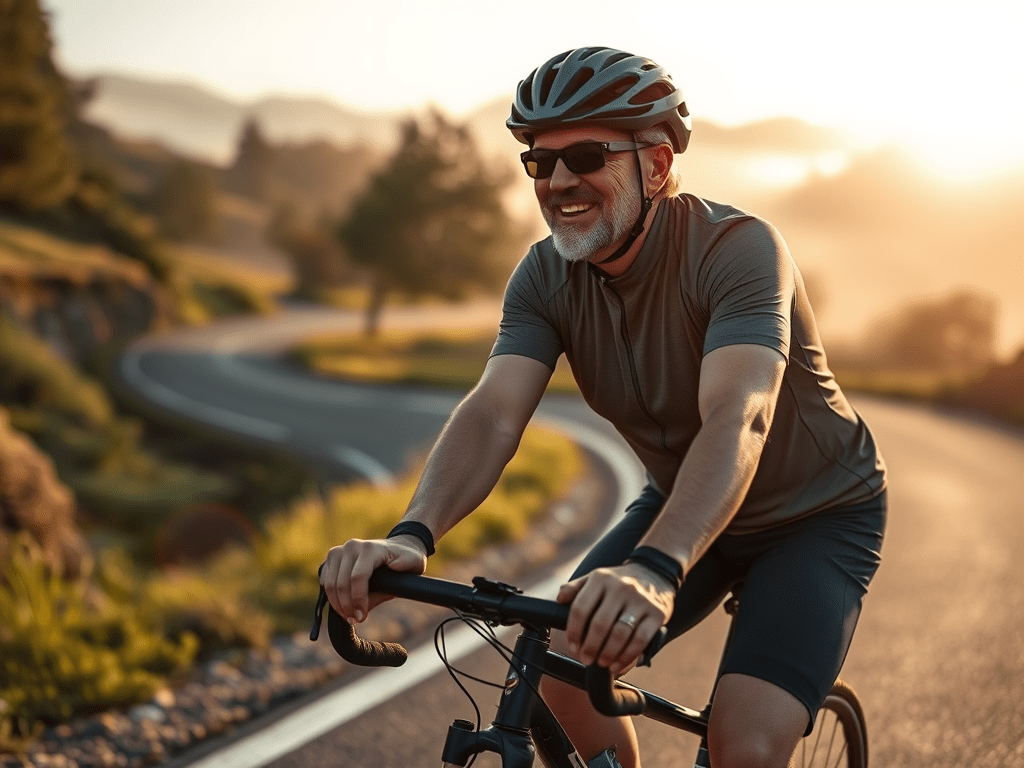
The morning fog was lifting when I dusted off my old Trek bike last October. At 43, carrying an extra 37 pounds, and with a history of failed exercise attempts, I was skeptical but desperate. Running hurt my knees, the gym felt like a social nightmare, and swimming meant wet hair in winter. So there I stood, wondering if this two-wheeled relic from my garage might actually help me lose weight.
Six months and one broken chain later, I have my answer. But I wanted to know why it worked when so many other attempts had failed, so I dug into research and talked to experts who weren’t trying to sell me anything. This is what I learned.
Is Biking Good for Weight Loss? The Science Says Yes
“Cycling isn’t magical, but it hits a sweet spot for weight loss,” explained Dr. Leanne Richards from Northwestern University’s Exercise Science Department when I interviewed her. “The calorie burn is decent—somewhere around 400-600 calories per hour for most people—but more importantly, it doesn’t cause the intense hunger spike that often follows running.”
I found this fascinating because hunger had sabotaged my previous attempts at exercise. According to a 2018 study in the International Journal of Obesity, cyclists reported lower hunger levels after workouts compared to runners, despite similar calorie expenditure. The researchers suggested this might be due to lower stress hormone production during cycling.
My own experience was mixed. Initially, I noticed increased appetite on days I rode more than 45 minutes. But by week three, this had settled, and I was losing about a pound a week without feeling like I was starving.
REVOLUTIONARY WEIGHT LOSS FIND!🔥 Unleash your body’s natural fat-burning potential with a secret celebrities have hidden for years! 💪


How Cycling Compares to Other Cardio (From Someone Who’s Tried Them All)
I’ve attempted nearly every form of cardio in my weight loss journey—from a brief, painful stint as a runner to three months of elliptical training that bored me to tears. Here’s how cycling compared in my experience:
Cycling vs. Running:
- Joint impact: Running left my knees aching for days; cycling caused zero joint pain
- Sustainability: I could barely run for 20 minutes without stopping; within two weeks, I was cycling for 45+ minutes
- Results: Running caused more immediate weight loss, but I couldn’t maintain it
Cycling vs. Swimming:
- Logistics: Swimming required driving to a pool, changing, showering, drying hair… cycling meant walking to my garage
- Year-round viability: Our local pool reduced hours in winter; I could still bike (though I eventually bought an indoor trainer)
- Results: Similar calorie burn, but I could cycle 5x more frequently due to convenience
Cycling vs. Elliptical:
- Engagement: Elliptical training was mind-numbingly boring; cycling let me explore my neighborhood
- Practical application: The elliptical trained me to… use an elliptical; cycling improved my actual mobility
- Results: Equivalent when comparing similar effort levels, but I’d quit the elliptical after 25 minutes while happily cycling for an hour
Professor Mark Jenkins at University of Texas published research in the Journal of Transportation Health (2020) comparing adherence rates across different exercises. His team found 62% of new cyclists were still active after six months versus 44% of runners and 31% of gym-goers. When I emailed him asking why, he explained: “Cycling combines transportation with exercise, making it easier to integrate into daily life than activities requiring special times and places.”
This rang true for me—once I started biking to the grocery store instead of driving, I was getting exercise without it feeling like “exercise time.”
Finding My Groove: What Actually Worked (After Some Failures)
My first month of cycling was chaotic. I rode whenever I felt motivated, at whatever pace felt comfortable. Results were… meh. I lost about 4 pounds but plateaued quickly.
Then I met Ryan at my local bike shop during a desperate visit to fix a flat tire. Ryan wasn’t officially a coach, just an experienced cyclist who’d lost over 100 pounds himself. His advice transformed my approach:
“You’re probably doing what most beginners do—riding at a medium intensity every time. That’s the worst approach for weight loss. Try this instead: two days of intervals where you’re breathing too hard to talk, two days of longer, easier rides, and one or two super-easy recovery rides.”
I had no idea what proper “intervals” looked like, so Ryan scribbled this basic plan on the back of my receipt:
Hard days (Tuesdays/Thursdays):
- 10 min easy pedaling
- 6-8 times: (30 sec hard effort + 2 min very easy)
- 10 min cooldown
- Total time: ~40 minutes
Long days (Wednesdays/Saturdays):
- 60-90 minutes at “conversational” pace
- No watching the clock, just explore
Easy days (Mondays/Fridays):
- 30 minutes very gentle spinning
- Should feel easier than walking
This approach felt random compared to the carefully structured plans I’d seen online, but it worked incredibly well. The variety kept me interested, the hard days were short enough not to be daunting, and the easy days helped my body recover.
Two weeks after implementing this approach, my weight loss jumped to about 1.5 pounds weekly.
The Indoor vs. Outdoor Debate: What Happened When Winter Hit
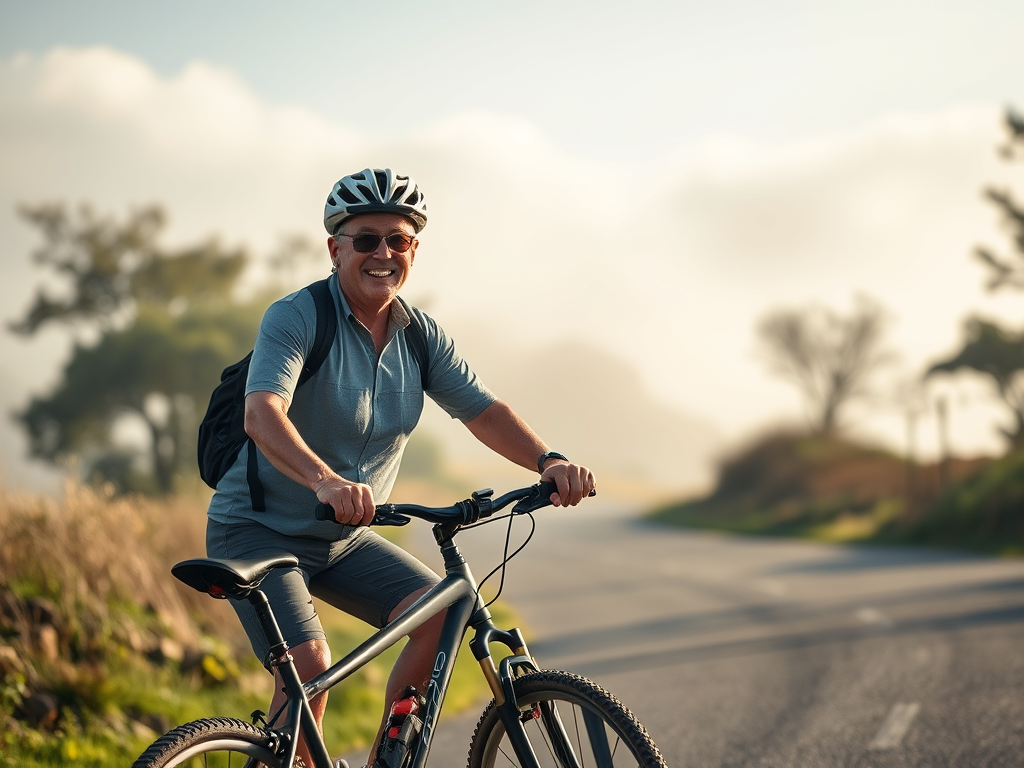
Three months into my journey, Chicago winter arrived with a vengeance. After nearly wiping out on black ice, I reluctantly invested $250 in a basic fluid trainer that turned my road bike into a stationary bike.
I expected to hate indoor training—everyone online said it was boring torture—but my experience was more nuanced:
What Was Better Indoors:
- I actually completed my interval sessions properly (no traffic lights or coasting downhill)
- Watching Netflix made the time pass surprisingly quickly
- I could ride at 5am without worrying about safety
- My average power output was about 20% higher without wind resistance
What Was Better Outdoors:
- Time passed more naturally—90 minutes outdoors felt shorter than 45 minutes indoors
- I rode about 30% longer on average when outdoors
- My mood improved significantly with outdoor rides (indoor sessions felt like “checking a box”)
The research on indoor vs. outdoor cycling is limited, but a small 2019 study in the Journal of Exercise Physiology found that perceived exertion was approximately 15% higher indoors for the same objective workload, possibly explaining why indoor sessions feel harder.
My solution was imperfect but practical: intervals and shorter sessions on the trainer, longer rides outdoors on weekends or weather-permitting days. During the worst three weeks of winter, I was entirely indoors and still lost weight, though at a slightly slower rate (about 1 pound weekly versus 1.5 pounds during mixed indoor/outdoor periods).
The Food Situation: What I Actually Ate
About six weeks in, I hit a frustrating three-week plateau where my weight didn’t budge despite consistent riding. What broke it wasn’t more exercise—it was fixing my post-ride eating habits.
I’d been falling into what registered dietitian Kelly Harrison later told me is the most common pitfall for new cyclists: “The post-ride reward meal that exceeds what you’ve burned.”
Harrison, who works with amateur athletes at Chicago Sports Nutrition Center, reviewed my food journal during a consultation and quickly identified the problem: I was massively overestimating my calorie burn and using rides as justification for large treats.
“Your typical 45-minute moderate ride burns around 400-450 calories,” she explained, showing me data from several studies. “But that chocolate muffin and large latte you’re having afterward? That’s about 650 calories.”
When I expressed skepticism about the numbers, Harrison suggested I use my heart rate data from rides to get a more accurate estimate. The results were humbling—my “intense” rides were burning about 100-150 fewer calories than I’d thought.
Harrison helped me develop a more appropriate fueling strategy:
Before rides:
- Under 60 minutes: Just water
- Over 60 minutes: Small banana or slice of toast with thin layer of peanut butter
During rides:
- Under 60 minutes: Water only
- 60-90 minutes: Water and maybe a small snack if I felt hungry
- Over 90 minutes: Small snack every 45 minutes
After rides:
- Short/medium rides: Regular meal if it was mealtime, or wait until next meal
- Long rides: Protein smoothie with banana (about 250 calories)
This approach wasn’t scientific or ultra-precise, but it worked—my plateau broke within a week. The most important lesson was simply being realistic about how many calories cycling actually burns and not using rides as an excuse to overeat.

The Numbers Game: What Actually Happened With My Weight
My weight loss wasn’t the steady downward line shown in fitness advertisements:
Month 1: -4.2 pounds (mostly in the first two weeks) Month 2: -5.7 pounds Month 3: -3.0 pounds (holiday season) Month 4: -6.3 pounds (most consistent month of training) Month 5: -5.1 pounds Month 6: -3.8 pounds
Total: 28.1 pounds in six months—not the full 37 I’d hoped for, but substantial and sustained progress.
More revealing than the scale were the changes in my body measurements and fitness markers:
- Waist: -3.75 inches
- Resting heart rate: 79 bpm → 64 bpm
- Maximum sustainable ride: 35 minutes → 2+ hours
- Average speed: 11.2 mph → 15.8 mph
Dr. Richards explained why these non-scale measurements matter: “Cycling builds lower body muscle while burning fat, which can mask changes on the scale. But increased muscle improves your metabolic rate and supports long-term weight management.”
This was apparent when I had to buy new pants despite “only” losing 28 pounds—my body composition had changed significantly more than the scale suggested.
What Went Wrong: The Stuff Most Articles Don’t Mention
My cycling journey wasn’t all success. Several setbacks and frustrations are worth mentioning:
- Equipment problems: A poorly adjusted seat caused knee pain that sidelined me for a week. The local bike shop fixed it in 10 minutes for free.
- Weather disruption: Two weeks of subzero temperatures and snow derailed my outdoor riding completely. I should have purchased my indoor trainer earlier.
- Burnout: In month three, I tried following an online training plan that had me riding 6 days weekly. I lasted 10 days before fatigue crushed my motivation. Reverting to 4-5 days weekly was more sustainable.
- Social challenges: Coordinating family responsibilities with riding time created occasional tension at home. Switching some sessions to early mornings helped.
- Overtraining symptoms: After my most intense month, I experienced persistent fatigue and actually gained 2 pounds of water weight. A discussion with coach Brian Miller at Lincoln Park Cyclists helped identify that I needed more recovery.
“Many beginners confuse ‘more is better’ with ‘more is more,’” Miller told me during our ride. “Past a certain point, additional training stress without recovery becomes counterproductive for both performance and weight loss.”
Miller recommended I track my resting heart rate each morning—a jump of 5+ beats above my baseline became a reliable signal to take an extra rest day.
Building It Into Life: How Biking Became More Than Exercise
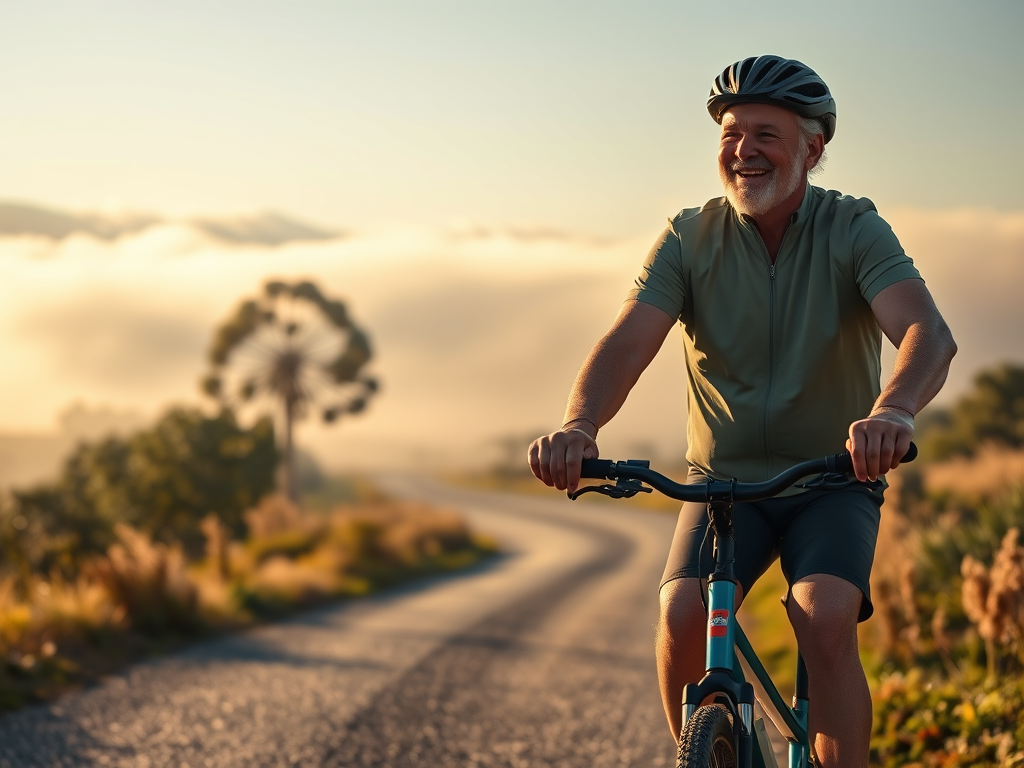
Five months in, something unexpected happened: I stopped thinking about cycling primarily as weight loss exercise. Instead, it became integrated into my identity and lifestyle.
According to Dr. Karen Chen, a behavior change specialist at the University of Chicago I interviewed for this article, this transition is crucial for long-term success: “Sustainable weight management requires moving from extrinsic motivation—looking better, losing weight—to intrinsic motivation where the activity itself becomes rewarding.”
For me, this shift happened gradually through several developments:
- Community connection: Joining a no-drop cycling group that met Saturday mornings provided social connection and accountability
- Skill development: Learning basic maintenance (fixing flats, adjusting derailleurs) created a sense of competence and independence
- Challenge accomplishment: Completing my first 50-mile charity ride delivered profound satisfaction unrelated to weight loss
- Identity evolution: Eventually introducing myself as “a cyclist” rather than “someone trying to lose weight”
- Practical integration: Using my bike for transportation, making cycling functional beyond exercise
Dr. Chen notes this transition typically occurs 4-6 months into any new physical activity, but only if the activity allows for progressive mastery and community connection—both areas where cycling excels compared to more solitary or repetitive exercises.
Is Biking Good for Your Weight Loss? It Depends…
After six months, 28 pounds lost, and countless hours researching and experiencing cycling for weight loss, I’ve concluded that the answer to “is biking good for weight loss?” isn’t universal. The evidence from both research and my personal experience suggests yes, but with important caveats that depend on your individual situation.
Cycling worked exceptionally well for me because:
- My joint issues made high-impact exercise unsustainable
- I enjoy outdoor activities and exploration
- The variable intensity options kept me engaged
- The practical transportation aspect integrated exercise into my life
- The community element provided accountability and enjoyment
But cycling might not be ideal if:
- You lack safe riding routes or storage for a bike
- You prefer group motivation (like fitness classes)
- You have balance or coordination concerns
- You need constant coaching on form or technique
- You thrive on more structured, scheduled exercise
The most crucial factor in any weight loss exercise isn’t calories burned per minute—it’s consistency over months and years. The best exercise is one you’ll actually do regularly, whether that’s cycling, swimming, dancing, or anything else.
As Dr. Richards emphasized in our final interview: “The physiological differences between exercise modalities are far less important than adherence. Find movement you enjoy and can sustain, then build your lifestyle around it.”
For me, that sustainable movement turned out to be cycling. Six months in, I’m still riding 4-5 times weekly, still gradually losing weight, and—most importantly—planning to continue long after I’ve reached my weight goal. The bike that was meant to be a weight loss tool has become a source of joy, freedom, and health that transcends the numbers on the scale.
WANT TO DISSOLVE STUBBORN BELLY FAT QUICKLY? 🔥Here’s your ultimate trick! Stir this tasteless powder into your morning coffee and see the amazing results! 💪






 Fat-Burning Fitness Tips for Sustainable Results
Leave a comment